Taupānga Hua
Puna Hau Ka taea te MaukatiPuna hau raka-ake
Puna hau kumePuna Hau WaitohuPuna hau ritenga me te āraiPūmau Hinu.
Te Whakaurunga o te Puna HauĀwhina mō te Kete Taraka23 tau e arotahi ana ki te puna hau
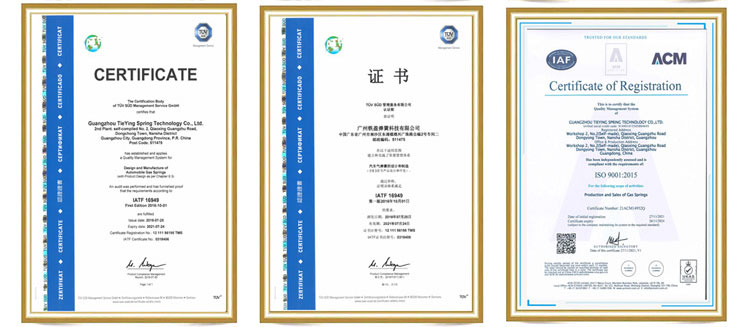
Kaihanga SGS IATF16949 me ISO9001. Ka whakaratohia e mātou he otinga hoahoa puna hau, he ratonga OEM me ODM mō ngā kiritaki.© Mana pupuri - 2010-2026: Ngā Mana Katoa e Rahui ana.

Waea
Waea
+8613929542670
Īmēra
Īmēra
WhatsApp
WhatsApp
+8613929542670
| Ingarihi | Wīwī | Tiamana | ||
| Pōtikī | 15 | 6 | Pāniora | Rūhia |
| Hapanihi | 19 | 8 | Kōrea | Ārapi |
| Airani | 22 | 8 | Kariki | Turkish |
| Itari | 22 | 10 | Tenemāka | Romanian |
| Initonīhia | 28 | 14 | Czech | Āwherikaans |
Huitene
| Industry | Examples | Catalan |
| Automotive | Hīni | Rāo |
| Furniture | Amharic | Āmenia |
| Industrial | Belarusian | Bengali |
| Medical | Pūrākau | Cebuano |
| Chichewa | Kōhikana | Kōroātia |
Functionality
Estoniana
Finnish
Karihana
Gujarati
Hausa
Hawai'i
Hiperu
Hmong
Hanekari
Airani
Igbo
Kannada
Kazakh
Khmer
Kurī
Kyrgyz
Rātini
Rātiwiana
Rituānia
Makerōnia
Marāhika
Mareia
Mareiarama
Malta

| Pāshto | Pāhia | Punjabi | Serbian | Sesoto | Sinhala | Slovak | Slovenian |
| Hōmāria | 22 | 10 | Zulu | Wietīnamu | Tatar | Ōria | Ukrainian |
| Swahili | 28 | 10 | Zulu | Kinyarwanda | Tatar | Ōria | Ukrainian |
| Urdu | 22 | 10 | Zulu | Wietīnamu | Tatar | Ōria | Tūkmeni |
| Yoruba | 28 | 10 | Zulu | Kinyarwanda | Tatar | Ōria | Tūkmeni |
Ūikā
| Industry | Examples | Why Lockable? |
| Office Furniture | Adjustable desks, chairs | Secure height settings |
| Medical Equipment | Hospital beds, surgical tables | Safe patient positioning |
| Automotive | Truck tailgates, RV steps | Prevent accidental closing |
| Industrial | Workstations, machinery guards | Lock open for maintenance |
| Home & Storage | Murphy beds, overhead cabinets | Space-saving safety |
Functionality
What is a locking gas spring? How is a locking gas spring built and what forces act in the pulling and pushing direction when locked? We present the most important characteristics of the locking gas springs to you here:
Locking gas springs are hydropneumatic adjustment elements.
They consist of a pressure pipe and a piston rod with a piston as well as a valve that is actuated via the release pin.
When the valve is opened, the extension force aids the user in adjusting his or her application in that the gas spring bears a large part of the weight force. When the valve is closed, the gas spring locks, thus locking the application in the desired position. Depending on the design, the locking can be elastic or rigid. With the help of the elastic locking, the lockable pneumatic spring responds in a spring-loaded manner in the push and pull direction, since this is only filled with nitrogen.
With rigid locking, the locking gas spring reacts rigidly in the push and pull direction. This is achieved by a defined oil chamber in which the piston moves. The locking force in the pushing or pulling direction is maximized depending on the arrangement of the chamber.

Hydraulic dampers Softline
Tieying hydraulic dampers, also called shock absorbers, gas spring damper or vibration dampers, are designed for the respective product application so that an optimal movement sequence or optimal vibration behavior is achieved. We use our decades of experience in the field of damping technology to solve your individual requirements for damping vibrations and impacts.
Hydraulic dampers applications:
| Industry | Definition | Our products |
| Automotive | Our products are used in many functions in the car to aid with opening and lowering the tailgate, to adjust the seat position and especially to provide protection in the event of accidents | INTERIOR-Gas springs (Liftline) -Hydraulic dampers (Softline) -Steering column dampers -Other adjustment systems (e.g. seat adjustments)BODY-Crash Management Systems -Rear spoiler drivesConvertible -Other adjustment systems (closing systems for convertible tops)Doors And Flaps -Gas springs (Liftline) -Other adjustment systems (driven flaps and doors) -Automobile dampers |
| Furniture | Our gas springs (lockable and non-lockable gas springs), dampers and height adjustment systems for furniture are specially tailored to the requirements of the furniture industry and are used wherever easy and convenient opening, closing and adjusting are essential. Our high-quality products can be found in the kitchen, living areas and at work. | Kitchen Area -Furniture gas springs -Standard gas spring or soft-stop pneumatic springs -Positioning gas springs -Lock with TouchLift -Furniture dampers -Pneumatic height adjustment systems (VariStand and VariBase)Living Area -Furniture gas spring -Furniture dampers -Gas springs (Liftline) -Gas springs for opening and closing of beds with storage space (bed base) -Lockable gas springs (Lockline) -Pneumatic height adjustment systems (VariStand and VariBase)Workplace -Pneumatic height adjustment systems (VariStand and VariBase) -Hydraulic height adjustment systems (Movotec) -Gas springs and other products |
| Industrial | Using gas springs (lockable and non-lockable) and hydraulic dampers in the industrial sector make it easy and convenient to open and close protective covers, maintenance flaps or other flaps. Gas springs and dampers ensure the comfort and safety of the user. Our height adjustment systems convert workbenches and assembly tables into ergonomic workplaces. Machinery systems and production lines can be equipped for high loads with our adjustment systems. | Gas springs (Liftline) Lockable gas springs (Lockline) Hydraulic dampers (Softline) Friction Damper Hydraulic height adjustment systems (Movotec) Electromechanical height adjustment systems (SMS) Pneumatic height adjustment systems (VariStand and VariBase) |
| Medical | Our gas springs, dampers and adjustment systems increase the safety and comfort of patients and nursing staff. In hospital beds, side tables, treatment tables or fitness equipment, our products and systems offer diverse ergonomic adjustment options. Gas springs, dampers and adjustment systems are characterized by simple installation. They are user-friendly and maintenance-free. | Beds and loungers -Gas springs (Liftline) -Lockable gas springs (Lockline) -Hydraulic dampers (Softline) -Hydraulic height adjustment systems (Movotec) -Electromechanical height adjustment systems (SMS) Wheelchairs -Gas springs (Liftline) -Lockable gas springs (Lockline) -Hydraulic dampers (Softline) -Comfort armchairs Gas springs (Liftline) -Lockable gas springs (Lockline) Side tables and ward trolleys -Pneumatic height adjustment systems (VariStand and VariBase) |
| Utility vehicles | Demanding requirements for lifting, lowering, tilting and damping in utility vehicles are solved by using gas springs (lockable and non-lockable) as well as dampers or by using our height adjustment systems. They are used in a wide variety of areas and facilitate the opening and closing of different flaps or the adjustment of installed components. Driver seats are cushioned against impacts by our dampers and can be conveniently adjusted with the help of our gas springs. | Buses Trucks Rail Vehicles Mobile home/camper Lift truck/forklift Agriculture machines Ships |
Functionality
What is a hydraulic damper? How is the damper built and what forces are acting? We present the most important characteristics of the hydraulic dampers to you here.
Hydraulic dampers are damping elements that convert the kinetic energy of moving parts into thermal energy. This avoids hard impacts or excessive vibration amplitudes.
Hydraulic dampers consist of a pressure pipe, a piston rod with a special piston system and the damping medium of oil, which is why they are also called hydraulic dampers. Within the oil-filled pressure pipe is the piston rod with the special sealing and guiding package, which hermetically seals the interior of the hydraulic damper to the atmosphere - even under extreme environmental influences.
When the piston rod is moved, the damping medium of oil is pressed through the bores in the piston system. The damping force results from the resistance of the oil when flowing through the piston system. Due to the internal design of the piston system, the pull and push direction can be set independently of each other. The damping forces are dependent on the piston speed.
Adjustable linear, progressive or degreessive characteristic curves allow for the application-oriented design of the hydraulic damper. All hydraulic dampers developed by Suspa are designed for the respective product application so that an optimal movement sequence or optimal vibration behavior is achieved.
Ready to switch to high-quality gas springs at a lower cost? Request a free quote now and see how much you can save while still getting the same exceptional quality as SUSPA.
Please contact us for a quick quote today by sending an email to tyi@tygasspring.com or leaving your message below, our experts are here to help you find the perfect solution for your project—without the hefty price tag.